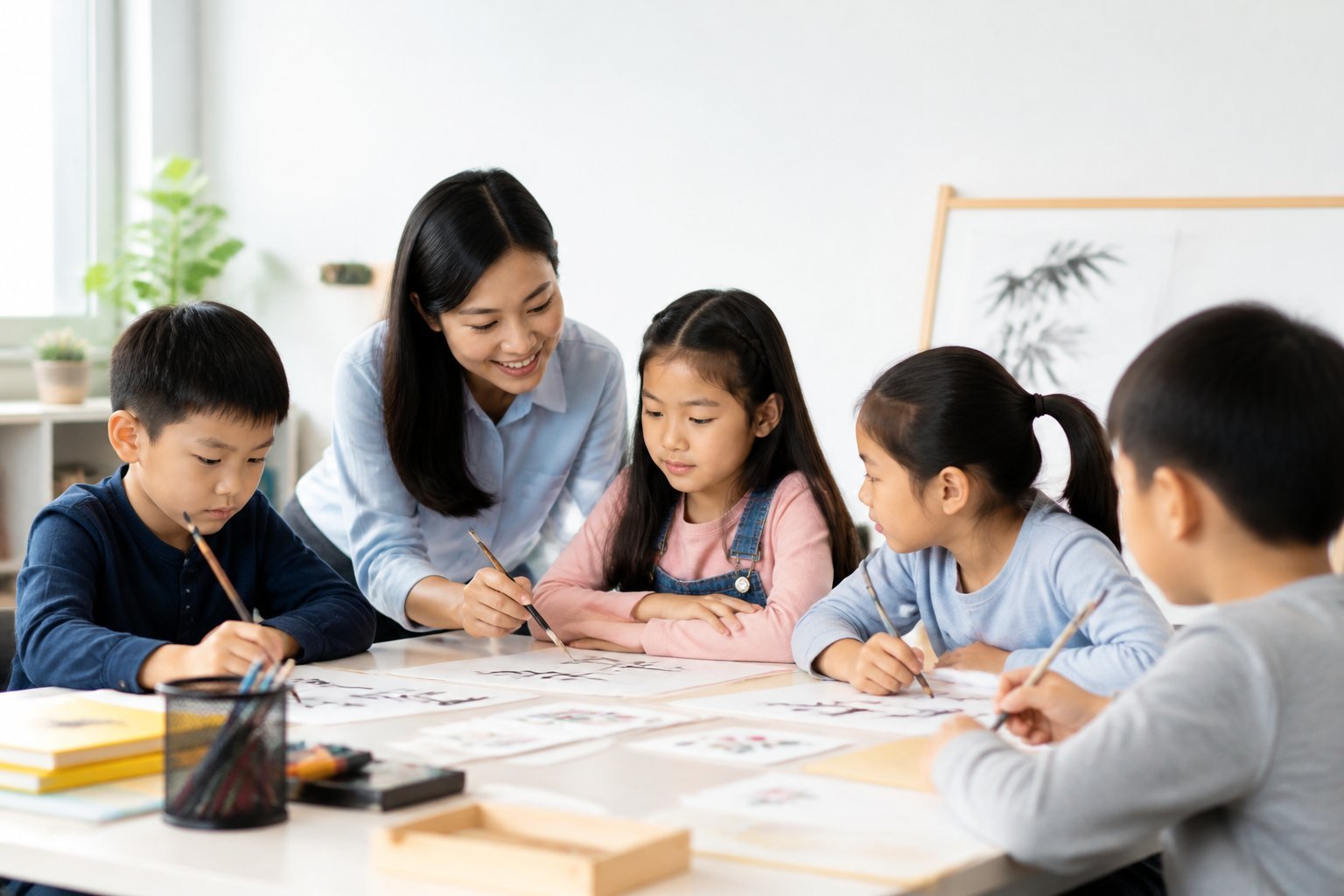
6 Best Chinese Tuition Options for Primary School Students
Lots of parents in Singapore are on the lookout for extra help when it comes to their kids’ Chinese. At the primary level, kids really start to form opinions about the language, so the learning environment can make a surprising difference.
There’s no shortage of tuition options—everything from small group lessons to one-on-one sessions, each with its own strengths. This comparison might help parents find something that fits their child’s learning style, their family’s schedule, and whatever academic goals they’ve got in mind.
Things like teaching style, class size, and the tutor’s experience can really affect how a child feels about lessons. Below are six tuition options that tend to come up when parents start searching for primary school Chinese support.
1) Berries Chinese Learning Centre
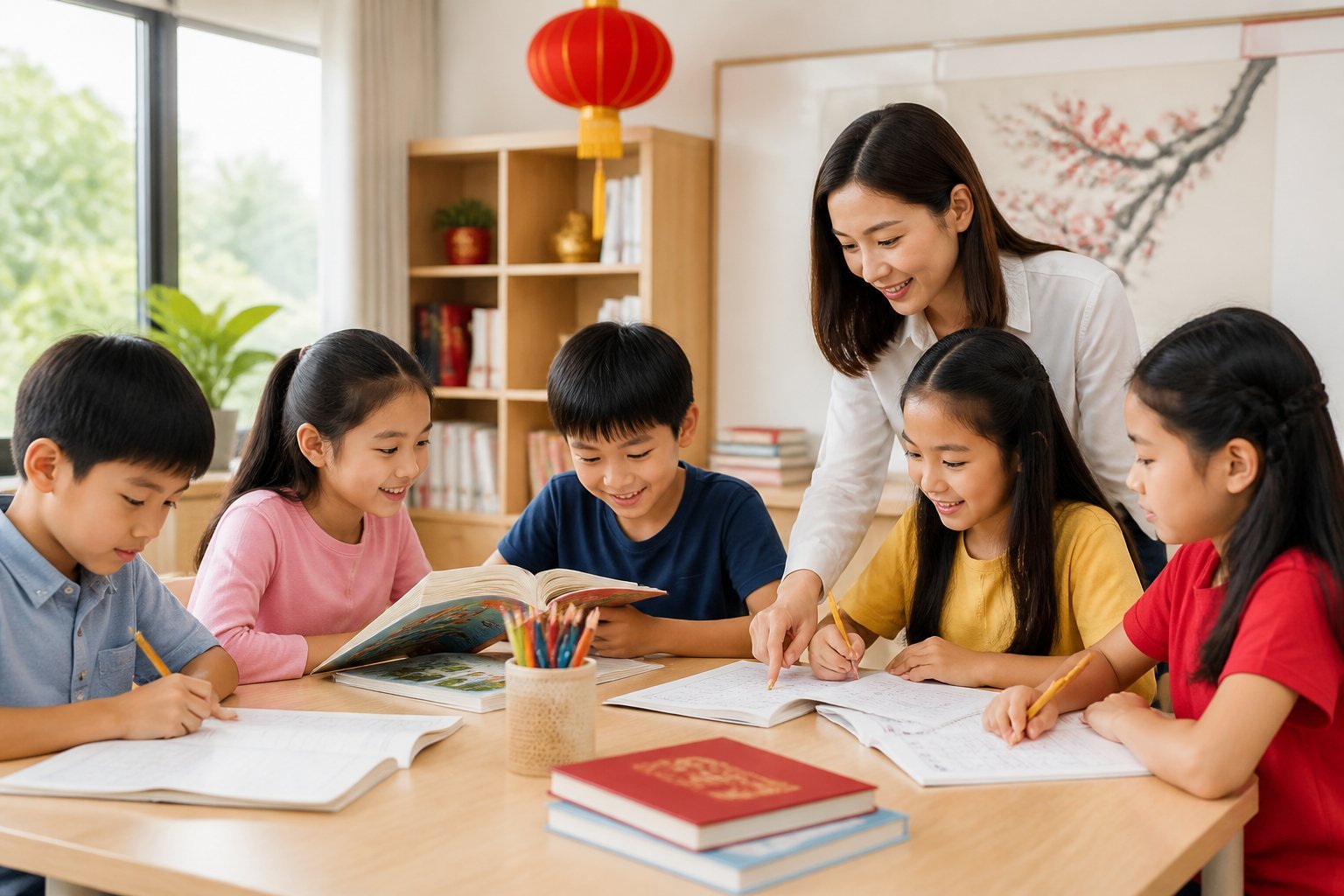
Berries has been around in Singapore since the early ’90s, so it’s a pretty familiar name in Chinese enrichment. Their main focus is on younger kids in preschool and primary, trying to spark interest in Chinese before it becomes a chore.
Instead of drilling and memorising, lessons are packed with interactive activities. There’s a good mix of storytelling, games, and multimedia in the classroom, which keeps things lively. It’s a nice break from the usual textbook grind.
The curriculum follows MOE guidelines, so it’s relevant for school exams like vocabulary, grammar, comprehension, all that. Classes are usually small, which means teachers can actually pay attention to each kid.
Parents seem to like Berries for its consistent teaching style and the fact that there are branches all over Singapore. That does make life easier if you’re juggling multiple locations.
Fees are on the higher side compared to some of the newer places, but you’re paying for the established brand and resources. It’s something to weigh up which is cost versus the reliability of a tried-and-tested programme.
2) Tutor City Tuition Agency
Tutor City has a group of Primary Chinese tutors whose programmes are built around the PSLE syllabus. They’re spread out across Singapore, Yew Tee, Yishun, Hougang, Sengkang, Ang Mo Kio, Woodlands, so most families won’t have to travel too far.
The focus here is on core skills: reading, writing, and comprehension. There’s a strong exam prep element too, so students get used to the PSLE Chinese paper’s format and expectations.
Tutor City also have online tuition, which is handy for parents who want after-school supervision without travelling, all in one spot. It’s a one-stop solution.
Classes and teaching methods stick closely to the MOE curriculum. That means what’s covered in tuition lines up with what kids are learning in school.
If you’re looking for something exam-focused that’s also convenient, Tutor City is worth a look among the various Primary Chinese tuition options in Singapore.
3) Hua Cheng Education Centre
Hua Cheng Education Centre has been in the scene for over twenty years, with branches all over Singapore. Their focus is on primary school Chinese tuition and enrichment that includes reading, writing, listening, and speaking get equal attention.
The syllabus covers vocabulary, grammar, sentence structure, and comprehension. There’s also spelling, creative writing, and oral work, which are areas where a lot of kids get stuck.
PSLE prep is built into the programme. Lessons mix written and spoken work, aiming to give students a well-rounded grip on Chinese, not just one skill at a time.
One thing to note: not all branches offer trial classes, so sometimes you have to decide based on programme info and reviews rather than a test run. Fees can also vary depending on branch and level, so it’s worth checking directly.
Hua Cheng positions itself as a solid, structured choice for parents who want an exam-oriented Chinese tuition centre for their primary-aged kids.
4) The Alternative Story Chinese Tuition
The Alternative Story uses a storytelling-based approach for teaching Chinese. Instead of just memorising, students get to engage with the language through stories and discussion, which feels more natural.
Lessons often use visual aids and structured storytelling exercises. The idea is to build vocabulary and comprehension in a way that actually keeps kids interested.
The curriculum still matches MOE requirements, so there’s no missing out on what’s needed for school. Teachers work on reading, writing, and oral skills with plenty of practice.
Class sizes are usually small, which gives teachers the chance to focus on each student. That’s a plus if your child needs a bit more support or just prefers a quieter setting.
This centre is a good fit for kids who don’t thrive with traditional drilling. If your child learns best through stories or more creative methods, it’s worth considering, though it may not suit everyone.
As always, it’s smart to check class schedules, fees, and location details before signing up.
5) Berries World of Learning School
Berries World of Learning has been a fixture in Singapore since 1993. It’s one of the more established Chinese enrichment schools, focusing on primary and preschool kids. The goal is to spark real interest in Chinese and not just push memorisation.
Lessons are lively, often weaving in storytelling, games, and interactive activities. That’s a relief for younger kids who might otherwise dread Chinese class.
The curriculum sticks to MOE guidelines but still leaves space for creative language use. It walks that line between meeting school standards and keeping kids motivated.
Berries has a bunch of branches across Singapore, making it accessible for most families. If you’re looking for an established, well-known option, it’s hard to miss.
Fees are a bit higher than some other centres. Still, considering the track record and resources, many parents feel it’s justified.
Class size and teaching style can vary by branch, so it’s worth reaching out to individual locations for the specifics before you commit.
6) Pats Schoolhouse Chinese Programme
Pats Schoolhouse runs a Chinese enrichment programme for primary students at different skill levels. The curriculum covers reading, writing, and speaking through structured lessons that aren’t just about ticking boxes.
Classes are kept small, so teachers can really help kids who need extra support: whether it’s with pronunciation, vocabulary, or just building confidence.
There’s a balance here between academic results and practical language skills. Students work through MOE-related exercises, but there are also activities to boost speaking confidence.
Lessons often use storytelling and games to keep things interesting, rather than just sticking to textbooks. That way, kids are more likely to stay engaged, even during longer sessions.
Parents should be aware that class times and locations can vary, so it’s best to check directly with the centre for the latest info on schedules and fees.
Overall, this programme is a good fit for families after a mix of structure and engagement. It’s especially helpful for kids who need a smaller class environment rather than being lost in a crowd.
How To Choose Chinese Tuition That Matches Your Child’s Needs
Choosing a Chinese tuition programme isn’t just about location or price. It really depends on your child’s current level, the class format, and whether the teaching style fits their learning style.
Assessing Your Child’s Current Chinese Proficiency
Before enrolling, it helps to get a clear sense of where your child stands and not just based on school grades. Sometimes a kid who’s average on paper might be great at writing but struggles to speak, or the other way around.
Most reputable centres will do a placement assessment covering reading, writing, listening, and speaking. This way, your child ends up in a class that actually fits their ability, not just their age.
Also, think about what your child really needs:
- Foundational skills like hanyu pinyin or basic character recognition
- Exam prep for school or PSLE
- Conversational fluency for everyday life
- Higher Chinese for more advanced students
Matching the tuition focus to the actual gap saves everyone a lot of frustration down the road.
Comparing Group Classes, Small Groups, And One-to-One Lessons
Class size makes a real difference in how much attention your child gets and how comfortable they feel. Each setup has its own perks, depending on your child’s personality and needs.
| Format | Typical Size | Best Suited For |
|---|---|---|
| Group classes | 8–15 students | Kids who like learning with peers and benefit from structured pacing |
| Small groups | 3–6 students | Children who need more attention but still enjoy some peer interaction |
| One-to-one | 1 student | Kids with bigger learning gaps, anxiety, or specific exam targets |
Group classes are usually more affordable and offer chances for peer discussion, which can help with conversational skills. Small groups or one-to-one lessons let tutors adjust the pace and content, which is great for kids who feel shy in bigger groups or need targeted support.
Evaluating Teaching Methods And Learning Materials
Teaching style really affects whether a child stays engaged. It’s worth asking if the centre sticks closely to the MOE syllabus or adds extra materials.
Some places are all about worksheets and drilling—good for exam prep if you’re short on time. Others weave in stories, games, or multimedia to make things more interesting, which can work wonders for younger or less enthusiastic learners.
Here are a few questions to ask:
- Is the curriculum in sync with what your child is doing at school?
- Are materials updated for the latest MOE exam formats?
- How does the teacher help if a student falls behind halfway through the term?
If possible, sit in on a trial lesson as it tells you a lot more than any brochure or website ever could.
Supporting Chinese Learning Beyond Tuition
Honestly, tuition by itself isn’t enough for lasting fluency. Parents who support learning at home, check in with tutors, and keep an eye out for confidence or struggles usually see the best results in the long run.
Building Consistent Reading And Writing Habits
Honestly, daily exposure makes a bigger difference than cramming. If a child spends just 15 minutes reading each day, they’re going to remember way more vocabulary than if they sit down for a marathon two-hour session once a week.
Parents can sneak in some simple habits without turning the home into a classroom:
- Reading aloud from Chinese storybooks that actually fit the child’s level. No point in making it a struggle every night.
- Writing short journal entries in Chinese. Even if it’s just a couple of sentences, it adds up.
- Labelling household items with Chinese characters and pinyin. Sticky notes everywhere? Why not.
- Watching Chinese cartoons or shows with subtitles. It’s passive, but it counts as listening practice.
Consistency wins out over intensity every time. Ten minutes a day practising characters can work wonders—kids remember the strokes and structure way better than if they just cram before a spelling test.
Some tuition centres hand out extra worksheets or reading lists for home. It’s worth asking tutors for these, instead of just crossing your fingers and hoping classroom time is enough.
Setting Realistic Progress Goals With Tutors
Let’s be real: progress in Chinese is usually slow, especially for kids who mostly speak English at home. Tutors can help parents set milestones that make sense for the child’s current level, not just whatever the “average” is for their age or grade.
Maybe the goal is to master 20 new characters a month, or to bump up oral comprehension by a grade band each term. These targets should get a second look every few months, since some kids fly ahead in reading but take their time with writing—or the other way around.
Parents should just ask tutors straight up about:
- Which skills actually need work—oral, written, or comprehension?
- What does a reasonable timeline for improvement even look like?
- How do PSLE Chinese requirements fit into all this?
Having clear, specific goals saves everyone a lot of frustration. Plus, it helps parents figure out if the tuition setup is really doing its job.
Monitoring Confidence And School Performance
Grades only scratch the surface. Sometimes a child dreads Chinese class or dodges speaking the language at home cos confidence might be slipping, even if the test scores look okay.
Maybe you notice your kid hesitating with homework, steering clear of Chinese conversations, or just getting grumpy during practice. These little signs? They usually show up before grades start to slide.
It helps to check in with the school teacher separately from the private tutor. Teachers might spot things like low participation or trouble keeping up with classmates.
Keeping tabs on both academic progress and how your child feels about Chinese lets you tweak your approach before things get really tough. In the end, a kid who feels backed up, not just pushed, is way more likely to stick with the language for the long haul.