How Pets Help Children Develop Empathy and Responsibility
Pets offer kids real, daily chances to notice the needs of another living creature and respond with care. Feeding, gentle handling, and just spending time together—these little routines connect empathy to something tangible, not just a lesson in a book or a lecture from an adult.
Pets help children develop empathy by letting them see, firsthand, how their actions affect an animal’s comfort and well-being. Routine care, meanwhile, builds responsibility through consistent, age-appropriate tasks. With adult guidance, these habits really can strengthen emotional awareness, patience, and a sense of accountability as kids grow.
Building Empathy Through the Human-Animal Bond
Just being around animals every day nudges kids to notice feelings, respond to needs, and sometimes rethink their own behavior. It’s not just about routines—there’s trust, communication, and a growing respect for animal welfare in the mix, too.
Recognizing Animal Behavior and Emotional Cues
Empathy starts when kids pay attention to how animals “talk” without words. If a dog turns away, tucks its tail, or hides, it’s probably anxious. Relaxed muscles and a wagging tail? That’s comfort. Cats have their own signals: flattened ears, a swishing tail, or darting away could mean, “Give me space.”
Adults can help kids connect these signals to emotions, but it’s smart not to act like we always know exactly what an animal feels. Maybe say, “The dog moved away, so she might want a break,” and then show the child how to pause and wait. Over time, this builds emotional smarts and teaches kids to think from another creature’s point of view.
Practicing Compassion, Kindness, and Gentle Boundaries
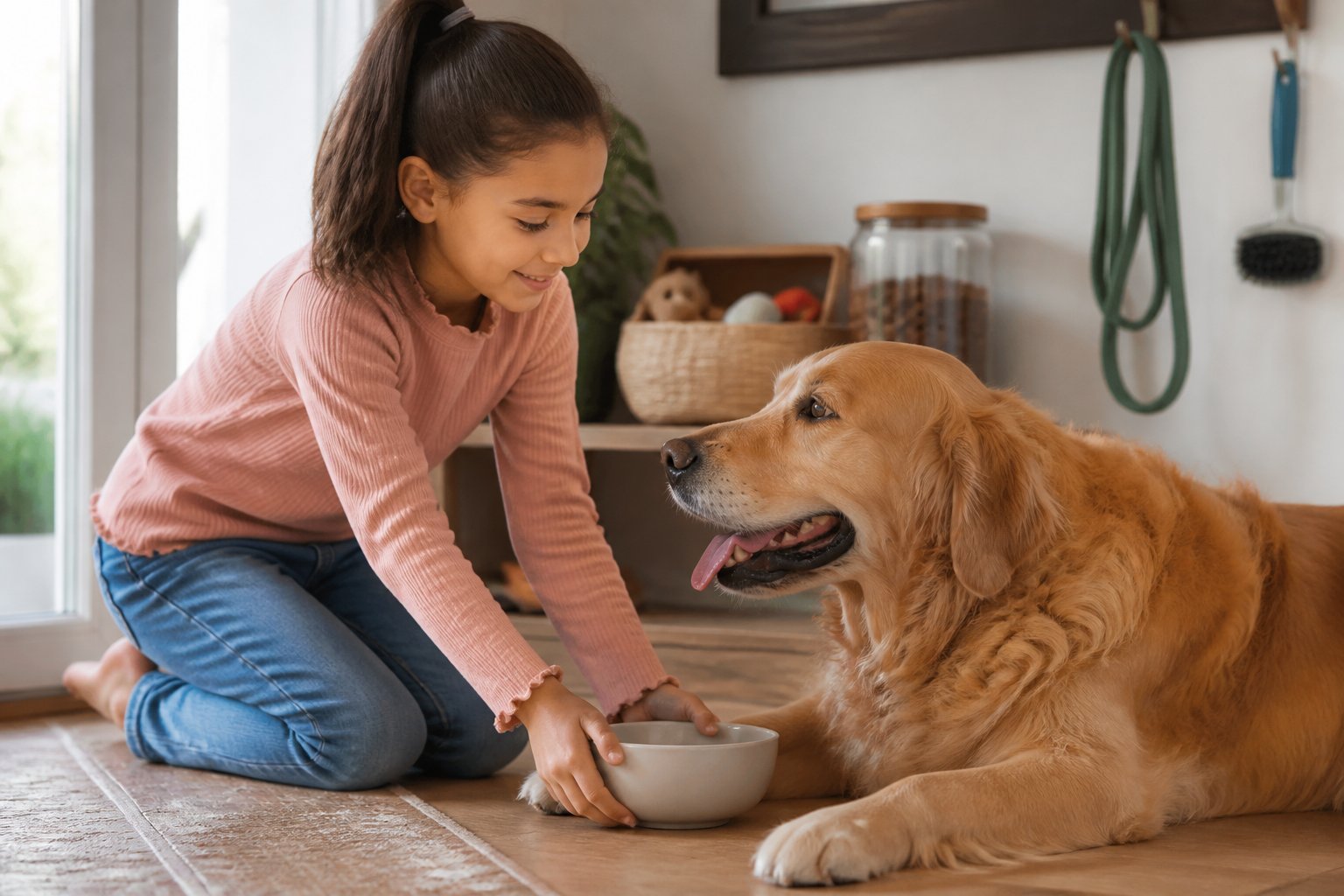
Taking care of pets gives kids real chances to practice compassion. They can refill water bowls, handle animals gently, keep the noise down, and stop touching if the animal seems uncomfortable. It’s not just about being loving—sometimes kindness means stepping back and respecting boundaries.
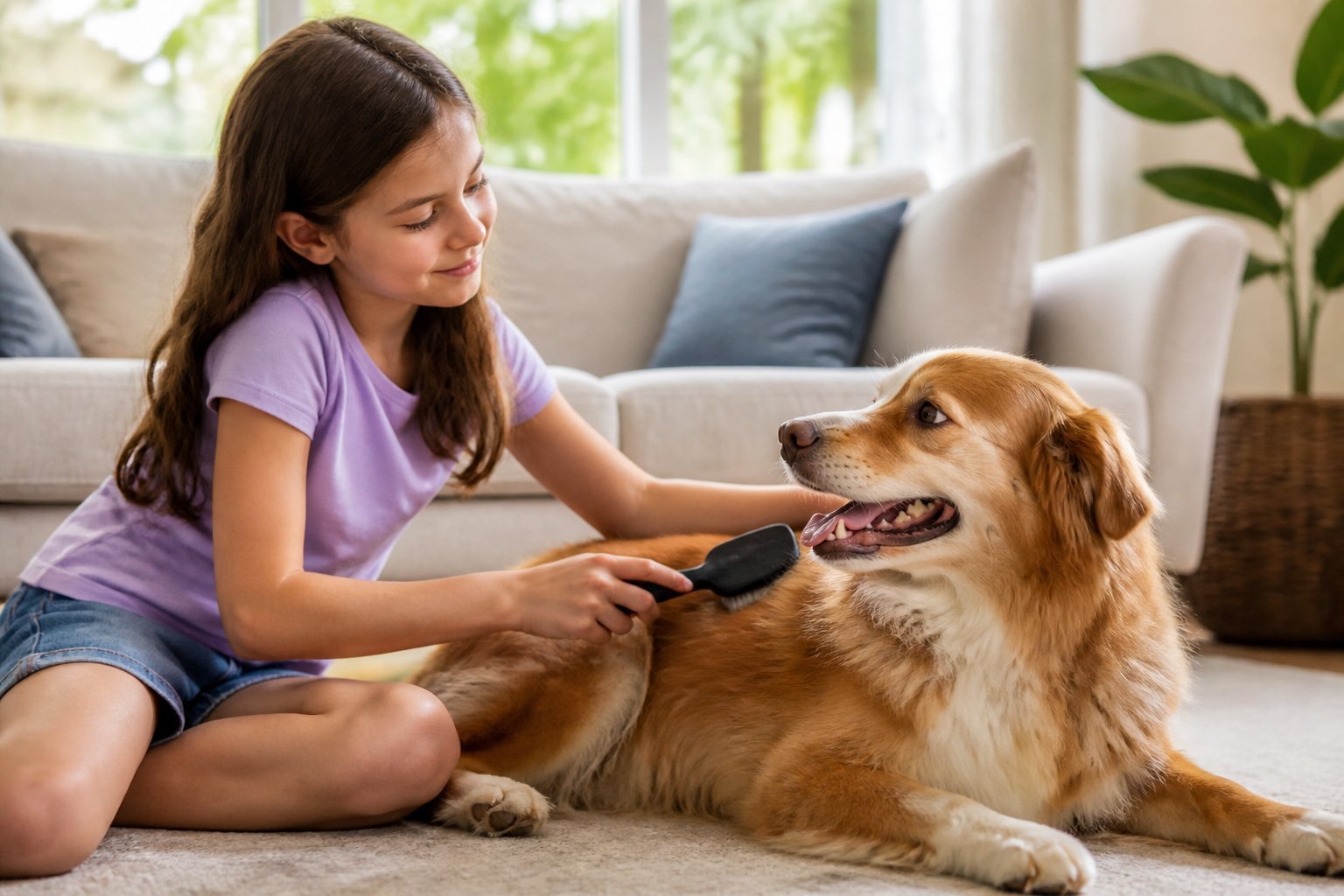
Kids should get tasks that fit their age and always need supervision. They might help measure food, brush a calm pet, or swap out bedding, while adults handle trickier stuff like medication, lifting, or bathing. Explaining why each task matters helps kids see that animals depend on people for safety and care.
Emotional Support, Companionship, and Emotional Well-Being
A trusted pet can be a steady companion—during both the everyday and the rough patches. Some kids talk to their animals, read aloud, or just sit quietly close by. These moments can make it easier for kids to express feelings and sometimes help them feel calmer. Of course, a pet isn’t a substitute for supportive adults or professional help if it’s needed.
The bond grows with routines—feeding on time, gentle play, quiet moments. These things build trust and give kids a sense of connection and purpose. Still, adults need to watch for signs that either the child or animal is getting stressed and should be ready to step in with a break or extra support if things don’t settle down.
Social Confidence, Communication, and Cooperation
Looking after a pet gives kids reasons to talk and work things out with others. Maybe they’ll explain what the animal needs, ask for help, or figure out who’s walking the dog. These moments build social skills and help kids see how their choices affect both people and pets.
Pets can even boost confidence in social settings, especially if kids get to share stories or take part in group animal-care activities. Maybe they’ll read to a classroom guinea pig or describe a pet’s quirks to friends. But it’s important to respect kids who are shy or uncomfortable—nobody should be forced into animal care if they’re not ready.
Turning Daily Care Into Lasting Life Skills
Daily pet care offers kids practical chances to build responsibility, patience, decision-making, and empathy. With the right tasks, steady guidance, and realistic expectations, caregiving can boost accountability—without making a child solely responsible for a pet’s well-being.
Age-Appropriate Tasks and Adult Supervision
Kids can start with simple jobs like measuring food, changing water, brushing a calm animal, or checking if a habitat needs cleaning. Adults should match chores to the child’s age, ability, attention span, and the pet’s personality.
Little kids always need close supervision—they might get too rough, leave a door open, or overfeed by accident. Older kids might walk a dog, clean a hamster cage, or keep a care chart, but adults are still the ones legally and practically responsible for the animal.
It helps if adults show how a task is done, explain why it matters, and watch as the child practices. This kind of hands-on learning builds skills, confidence, and a sense of accomplishment.
Routines, Consistency, and Accountability
Having a daily routine beats nagging every time. A visible chart with checkboxes for feeding, water, exercise, grooming, and cleaning lets kids track what’s done.
When adults review the chart and talk calmly about any missed jobs, kids start to understand accountability. Tying care routines to regular events—like feeding the dog after breakfast—can help with time management, too.
Tasks should stay specific and doable. Sharing jobs among family members teaches teamwork, and having a backup plan means the pet doesn’t get forgotten if the child is sick, busy, or just needs a break.
Natural Consequences Without Blaming the Child
Adults should talk about natural consequences without shaming. If a child forgets to refill the water bowl, the adult fixes it right away, then helps the child figure out what went wrong and how to avoid it next time.
The animal’s safety comes first, always. Kids shouldn’t be expected to handle serious stuff like illness, injury, or risky situations—that’s on the adults, who handle vet care and big safety decisions.
Missing a task can be a lesson in planning: maybe the child sets an alarm, moves supplies somewhere obvious, or does the job before playtime. This teaches perseverance and decision-making, and keeps kids willing to try again.
Choosing a Pet and Preparing for Long-Term Care
Picking the right pet isn’t just about what the child wants. Adults have to think about the animal’s lifespan, space, noise, exercise, personality, vet bills, and daily care before bringing one home.
A dog needs training, exercise, walks, and a long-term promise. A hamster might seem easy, but it needs proper housing, enrichment, gentle handling, and regular cleaning—small doesn’t mean simple. Kids should know that adults will always be the backup throughout the pet’s life.
Families can get ready by making a written care plan, finding a vet, budgeting for both routine and unexpected costs, and figuring out what happens during travel. And just to be clear, taking wild animals from their habitat or treating them as regular pets isn’t a good idea.
Handling Setbacks, Illness, and Grief Responsibly
Sometimes pets just aren’t having it—they might resist being handled, start acting out, get sick, or just need more care than a kid can realistically give. It’s up to adults to show some patience here: maybe that means calling the vet, tweaking the daily routine, or just talking through the fact that animals don’t use words but show us how they feel through their actions.
Kids can still help in ways that make sense, like setting up a cozy spot, jotting down any weird symptoms, or giving treats that have the grown-ups’ stamp of approval. But let’s be real—they shouldn’t be the ones figuring out what’s wrong or making big health decisions for the pet.
If a pet dies, it’s important for adults to be honest and direct, not sugarcoat things, and give kids space to ask whatever’s on their mind. Simple rituals—maybe writing a goodbye note, putting together a photo album, or even planting something in the pet’s memory—can actually help kids process what’s happened and learn a bit about respecting animal life along the way.