Creative Learning Activities for Kids: Ideas for Fun and Growth
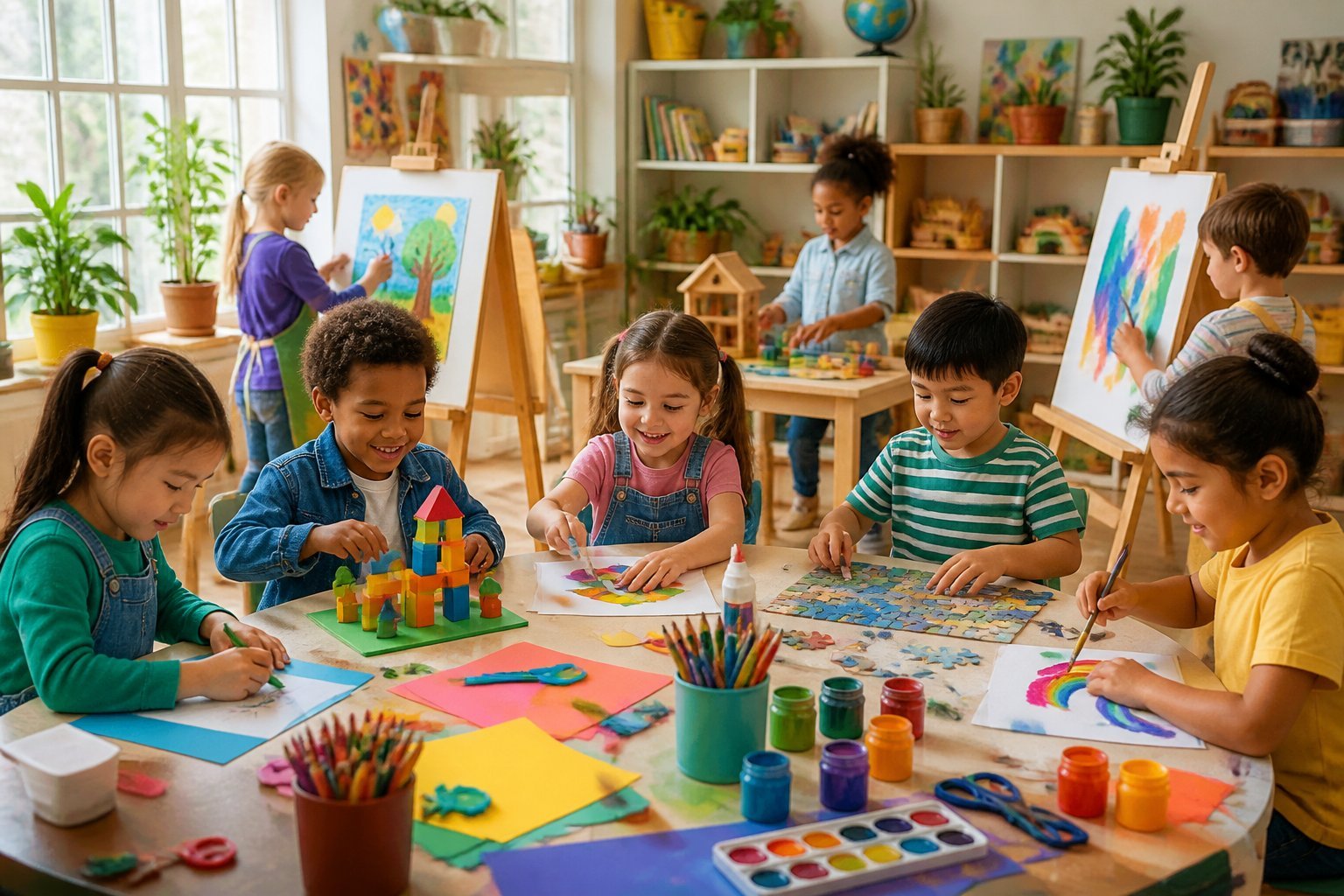
Kids really come alive when learning feels like an adventure—something that sparks their curiosity and lets them build all sorts of important skills. Creative learning activities grab their attention with hands-on experiences that blend education and imagination, helping children develop problem-solving, social skills, and a healthy dose of confidence—all while having a good time. Whether it’s arts and crafts or science experiments, these activities make learning stick in a way that’s, honestly, just more fun and memorable.
Parents and teachers are always on the lookout for ways to keep kids engaged and growing—mentally and emotionally. Creative activities for kids enhance personality development by nudging them to think differently and express what’s inside. When you find the right mix, even everyday moments can become learning opportunities that matter.
From classic art projects to techy, modern activities, creative learning activities appeal to every child’s interests and developmental stage. Figuring out which activities click—and how to actually make them happen—helps grown-ups build environments where kids can try, mess up, and grow.
Essential Creative Activities for Engaged Learning
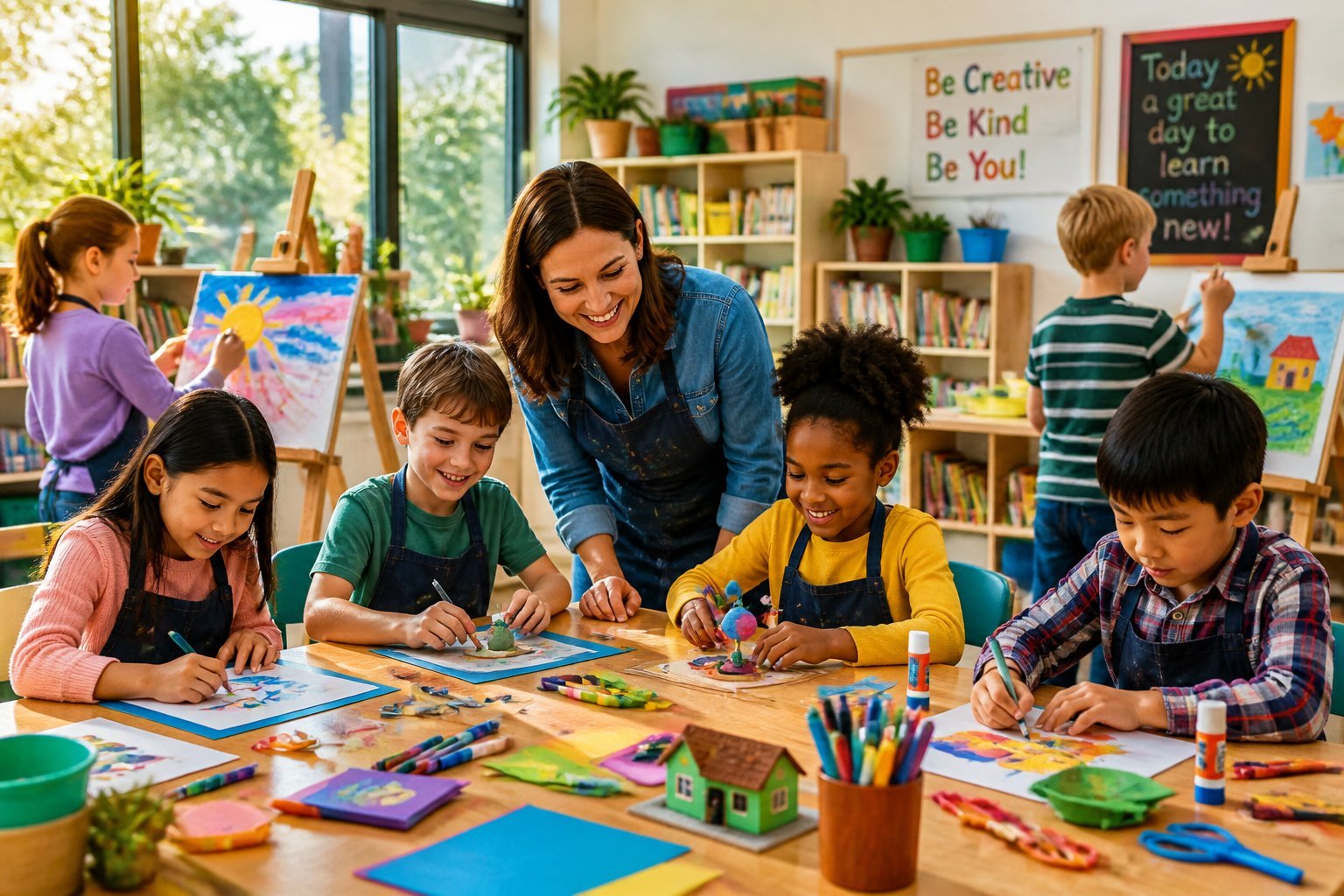
Kids pick up crucial skills when they get their hands dirty—sometimes literally—mixing creativity with practical learning. Activities that balance educational value with fun let children stretch their imaginations while building up those cognitive muscles.
Innovative Art and Craft Projects
Art projects let kids work on those fine motor skills and give them a way to show what’s going on inside. Marble painting is surprisingly simple: drop paint-covered marbles in a box with paper and let the kids tilt the box around. The results are always different, and it’s a neat way to see cause and effect in action.
Salt painting is part art, part science. Kids draw with glue, sprinkle salt, and then touch watercolors to the salt. The paint wicks through the salt, creating cool textures and a bit of a “wow” moment as they watch it spread.
Finger painting is a classic for a reason. It’s messy, sure, but it’s also accessible for even the littlest artists. Kids get to mix colors and experiment, with zero pressure to stay inside the lines or hold a brush just right.
Other easy projects use what’s lying around—magazine collages, potato stamps, or coffee filter watercolors. Minimal setup, no fancy supplies, and kids get to try out different textures and techniques without a ton of instructions.
Building and Construction Play
Building and construction play is all about spatial reasoning and problem-solving. Kids learn to plan, test, and—sometimes—start over when things don’t go as planned.
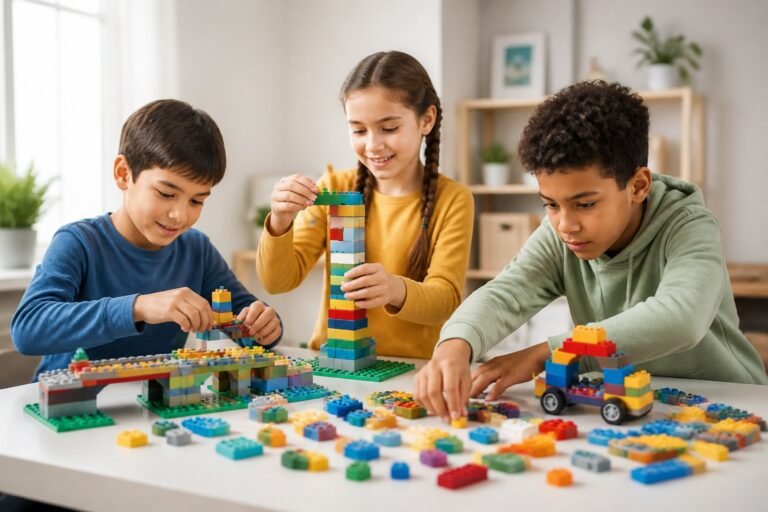
Block construction is pretty much endless. Whether it’s wooden, foam, or plastic blocks, kids can make towers, bridges, or whatever pops into their heads. It’s a sneaky way to practice balance, symmetry, and even a bit of math.
Cardboard engineering lets kids turn old boxes into houses, robots, or wild vehicles. They cut, tape, and decorate, all while figuring out what makes a structure stand up—or fall down.
Magnetic building sets are another favorite. Snapping pieces together gives instant feedback, which keeps younger kids interested, and older kids can get pretty ambitious with their designs. These hands-on teaching activities really build persistence, since not every idea works on the first try.
Exploring Science and Sensory Experiences
Science and sensory activities bring learning to life—literally. Kids get to touch, see, and experiment, making big ideas feel real.
Water exploration stations are a hit. Kids can test what floats or sinks, watch things dissolve, or just pour and measure. Throw in some food coloring or ice cubes to mix it up.
Kitchen chemistry is perfect for safe, supervised experiments. Mixing baking soda and vinegar is always a crowd-pleaser, and making playdough teaches measurement and following steps. These are great for introducing science to preschoolers without needing a lab coat.
Sensory bins—think rice, beans, sand, or water beads—offer calming, focused play. Hide little objects for kids to find, or add scoops and funnels to practice pouring and measuring. It’s simple, but oddly satisfying.
Nature collections can turn a walk outside into a science lesson. Kids might sort leaves, compare rocks, or watch bugs in a jar (just for a bit, then let them go!). It’s a hands-on way to build classification skills and start thinking about the world around them.
Outdoor and Nature-Inspired Challenges
Outdoor creative activities mix movement with learning. There’s something about fresh air that just makes everything work better.
Nature scavenger hunts get kids searching for pinecones, smooth rocks, or anything else you can think of. It’s great for observation skills, color recognition, and just plain exploring.
Garden projects teach responsibility and patience. Plant a few seeds, water them, and watch what happens over time. Even a tiny balcony garden can offer these lessons.
Outdoor art installations are fun and fleeting. Kids can make stick sculptures, arrange rocks, or create mandalas with leaves—art that disappears with the wind or rain, but the experience sticks.
Movement challenges—think obstacle courses, balancing on logs, or jumping games—help with gross motor skills. These educational activities for kids combine exercise with a bit of friendly competition and goal-setting.
Inspiring Social, Musical, and Technology-Driven Creativity
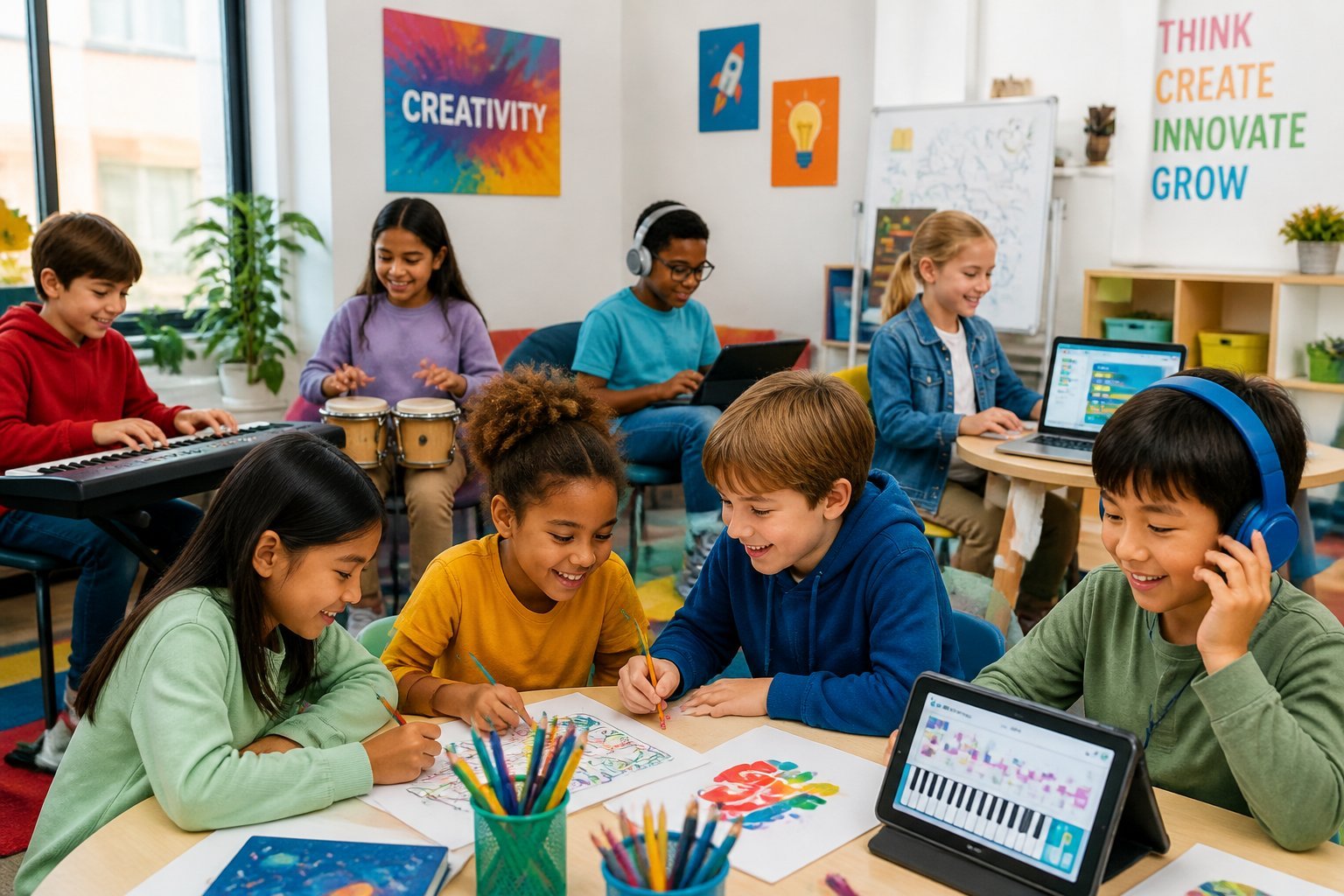
Kids pick up creative skills fast when they’re working together, making art, or exploring digital tools. These approaches tap into different learning styles and help kids connect with others while picking up new skills.
Group-Based and Cooperative Activities
Group-based creative activities encourage kids to bounce ideas off each other and learn from their friends. Team art projects—like murals or sculptures—mean everyone has to pitch in, share roles, and figure out how to blend their ideas.
Dramatic play is another winner for teamwork. Building a pretend restaurant, post office, or space station together gets kids planning, assigning roles, and coming up with creative solutions as a group.
Some cooperative favorites:
- Building with blocks or recycled stuff as a team
- Group storytelling, where each kid adds a twist
- Scavenger hunts with a creative twist
- Planning and caring for a garden together
These activities help kids see things from different perspectives and build communication skills. Plus, they learn that the best ideas often come from working together, not just going solo.
Music, Movement, and Dramatic Expression
Music and movement games are a natural way for kids to express themselves and develop rhythm, coordination, and even emotional smarts. They can make up songs, invent dances, or just see how different movements feel.
Musical activities can be as simple as banging on pots for rhythm or as ambitious as composing a tune. Games like freeze dance or musical statues combine movement with quick thinking. Kids learn to listen, react, and express themselves in the moment.
Dramatic play—puppet shows, improv games, or dressing up—lets kids try on new characters and emotions. It’s a confidence booster and helps them get the hang of storytelling.
And yes, there are digital music tools that make composing and tinkering with sound more accessible—even for the younger crowd.
Reading, Storytelling, and Language Adventures
Reading and storytelling can light up a kid’s imagination while building language and comprehension. Interactive read-alouds—where kids guess what happens next or suggest new plot twists—turn passive listening into a creative act.
Letting kids create their own stories is even better. They can draw their own books, record audio tales, or make comic strips based on anything from real life to wild fantasy. It’s a great way to practice sequencing and narrative skills.
Some language-based creative ideas:
- Coming up with new endings for favorite stories
- Inventing fresh characters for old tales
- Writing and performing poems
- Making story dice or cards to spark new adventures
Word games and rhyming challenges keep things playful. Kids start to see words as tools for creativity, not just things they have to learn for school.
Technology-Assisted and Digital Creations
When kids dive into technology-assisted creativity, they’re not just fiddling with screens—they’re picking up digital tools that actually work alongside the old-school stuff. Drawing apps, animation programs, music-making platforms… suddenly, there are all these new ways to play with ideas, and at the same time, they’re picking up some useful tech skills without even realizing it.
Digital art tools like Procreate or Tayasui Sketches School? Super user-friendly, even for beginners. They let young artists experiment with things you just can’t pull off with paper and pencil—like endless undos or wild digital effects that would be impossible (or at least really messy) in real life.
And then there’s coding. I know, it sounds intimidating, but block-based languages make it surprisingly approachable. Kids can whip up their own stories, little games, or even animations. Platforms like EarSketch go a step further, blending music and code so students can literally program their own beats. It’s honestly pretty cool to see creativity and logic come together like that.
Don’t forget digital photography and video. Kids can capture slices of their world, then chop, rearrange, and remix footage into something totally fresh. Stop-motion animation on a phone or tablet? Absolutely doable, and it turns everyday objects into little stars. These projects sneak in lessons on planning and sequencing, but, honestly, most kids are just excited to bring their ideas to life.